Top 10 AC Problems Tampa Homeowners Report Every Fall
Published: 2026-10-15 · By AC Repair Tampa by ChillFactor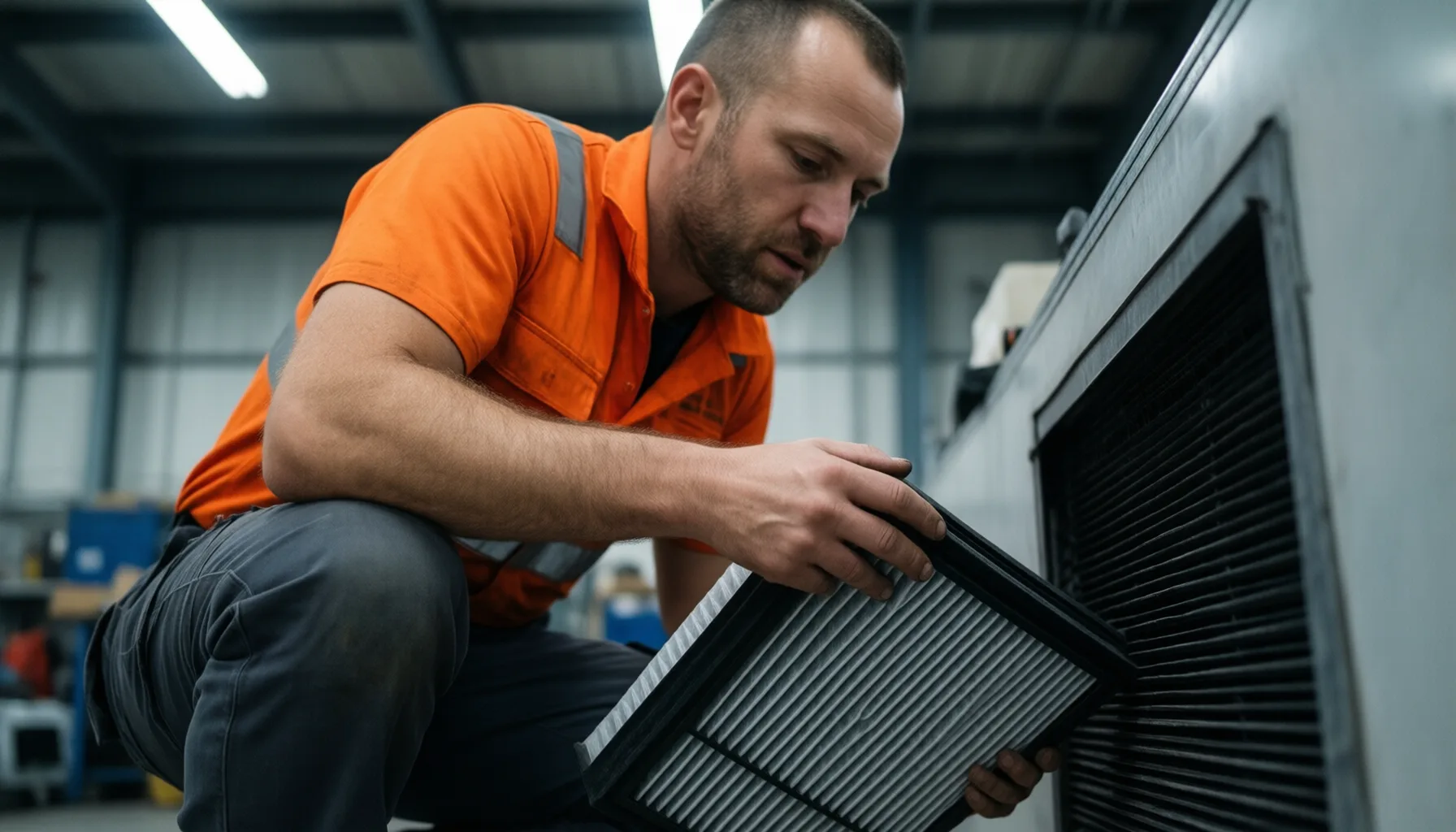
As fall approaches in Tampa, the sweltering summer heat begins to wane, yet for many homeowners, a different challenge emerges—air conditioning troubles. Picture this: after a heavy tropical storm, you flip the switch to cool your home, and nothing happens. Your AC unit remains dormant, leaving your living space uncomfortably humid. This scenario is not unfamiliar for locals. The unique climate and environmental factors in Tampa can often lead to persistent air conditioning issues. Understanding these common problems is essential for homeowners looking to ensure their systems function properly before cooler temperatures settle in.
Why This Matters for Tampa Homeowners
Tampa's climate poses unique challenges for air conditioning systems, particularly during the fall when humidity lingers. High moisture levels can cause mold growth in ducts and on interior components, leading to inefficiencies and potential health concerns. The presence of salt air also accelerates corrosion on both outdoor units and exposed metal components, pushing the lifespan limits of your AC system. With tropical storms and hurricanes frequently hitting the area, many units can also suffer damage from high winds and flying debris. If left unchecked, these problems can escalate into costly repairs.
Elevated homes often rely on moisture barriers, which can complicate AC installations and repairs. Any issues present in these systems can lead to even more extensive damage, particularly if the moisture barriers fail. This increases the likelihood of costly repairs that can affect not only the HVAC system but also the structure of the home itself. It’s vital to address apparent problems before the onset of winter, as stagnancy can exacerbate existing conditions.
Expert Solutions & Actionable Tips
1. 1. Clogged Drain Lines
During the humid fall months, it’s common for drain lines to clog with debris and algae, which can lead to water damage and overflow. This might require cleaning services that usually range from $75 to $150, depending on complexity. If you notice unusual water pooling near your unit, address it quickly to avoid moisture issues.
2. 2. Refrigerant Leaks
Low refrigerant levels affect cooling efficiency and may arise from leaks in the system. Detecting and sealing these leaks can cost homeowners between $200 and $500, plus the price of additional refrigerant. A trained technician can help identify these leaks during regular inspections.
3. 3. Faulty Thermostat
If you're experiencing inconsistent temperatures, your thermostat may be malfunctioning. Replacement typically costs around $150 to $300, depending on the model chosen. Thermostats with smart features offer higher precision for optimizing energy use in your home.
4. 4. Dirty or Clogged Filters
Filters require regular upkeep, especially in a sandy coastal environment like Tampa. Changing filters can be a DIY task, costing only $20 to $50 for replacements. Regular checkpoint intervals should be every 1-3 months to ensure airflow is maintained.
5. 5. Electrical Issues
Faulty wiring or electrical connections can lead to significant operational problems. Repair costs can vary widely from $60 to several hundred dollars depending on the issue. Always consult a professional to inspect potentially dangerous electrical concerns to avoid safety hazards.
6. 6. Sensor Problems
Improper sensor alignment can prevent your AC from functioning correctly, leading to overheating. Although sensor replacement is relatively inexpensive, averaging around $100, conducting an initial assessment can save you time and avoid further damage down the line.
Tampa Climate & Local Context
Tampa's climate is characterized by high humidity and salt-laden air, making it essential for homeowners to maintain their air conditioning systems. Most homes in this area must contend with the effects of coastal weather, which can rapidly degrade HVAC components. For homeowners, understanding local building practices can be crucial. Elevated homes often have specific installation requirements, with moisture barriers protecting interiors from the humidity that is prevalent in the local atmosphere.
Complying with Tampa's municipal building codes when considering repairs or installations is non-negotiable. Homeowners should investigate local regulations concerning AC units, including weight limits and encroachment laws for outdoor units. This knowledge can help avoid costly fines or enforcement actions that might arise from improper installations.
When to Call a Professional
Deciding when to tackle air conditioning repairs yourself versus when to call in a professional can be challenging. Some tasks, like changing filters or cleaning debris around the unit, are manageable for DIY enthusiasts. However, it’s wise to reach out for professional assistance in more complex scenarios. Red flags indicating you need a technician’s expertise include:
- Unusual noises or vibrations from the unit
- Inconsistent cooling across different rooms
- Unexplained higher energy bills
- Moisture pooling around the unit
- Electrical troubles or blown fuses
- Unpleasant or musty odors
These issues can not only affect comfort but also lead to costly repairs if ignored.
Frequently Asked Questions
What should I do if my AC isn’t cooling in the fall?
Check the thermostat settings first to ensure they are correct. If everything appears normal, consider checking the filters, and if problems persist, call AC Repair Tampa by ChillFactor for a thorough inspection.
How often should I schedule maintenance for my AC unit?
In Tampa’s coastal climate, semiannual maintenance is advisable, ideally once before summer and once before fall. This keeps units running efficiently through extreme weather conditions.
What are common signs that my AC needs repair?
Watch for warm air blowing from vents, unusual noises, or higher energy bills. Any of these symptoms could indicate an underlying issue that needs expert attention.
Are there any local regulations I should know about regarding AC repairs?
Yes, Tampa has specific codes related to HVAC systems. Homeowners should consult local guidelines before making any changes to ensure compliance and avoid potential fines.
How can I improve my AC unit’s efficiency?
Regular filter changes, timely repairs, and ensuring proper insulation in your home can significantly enhance your AC unit’s efficiency, especially in humid environments like Tampa.
Get Expert Air Conditioning Repair Service in Tampa
If you're preparing for the fall season and noticing any of these AC problems, don’t wait for issues to escalate. Contact (813) 550-2056 to speak with the experts at AC Repair Tampa by ChillFactor. Ensure your home stays comfortable and efficient while navigating Tampa's unique climate challenges.
Call us today and allow our experienced team to assist you with all your AC repair needs!